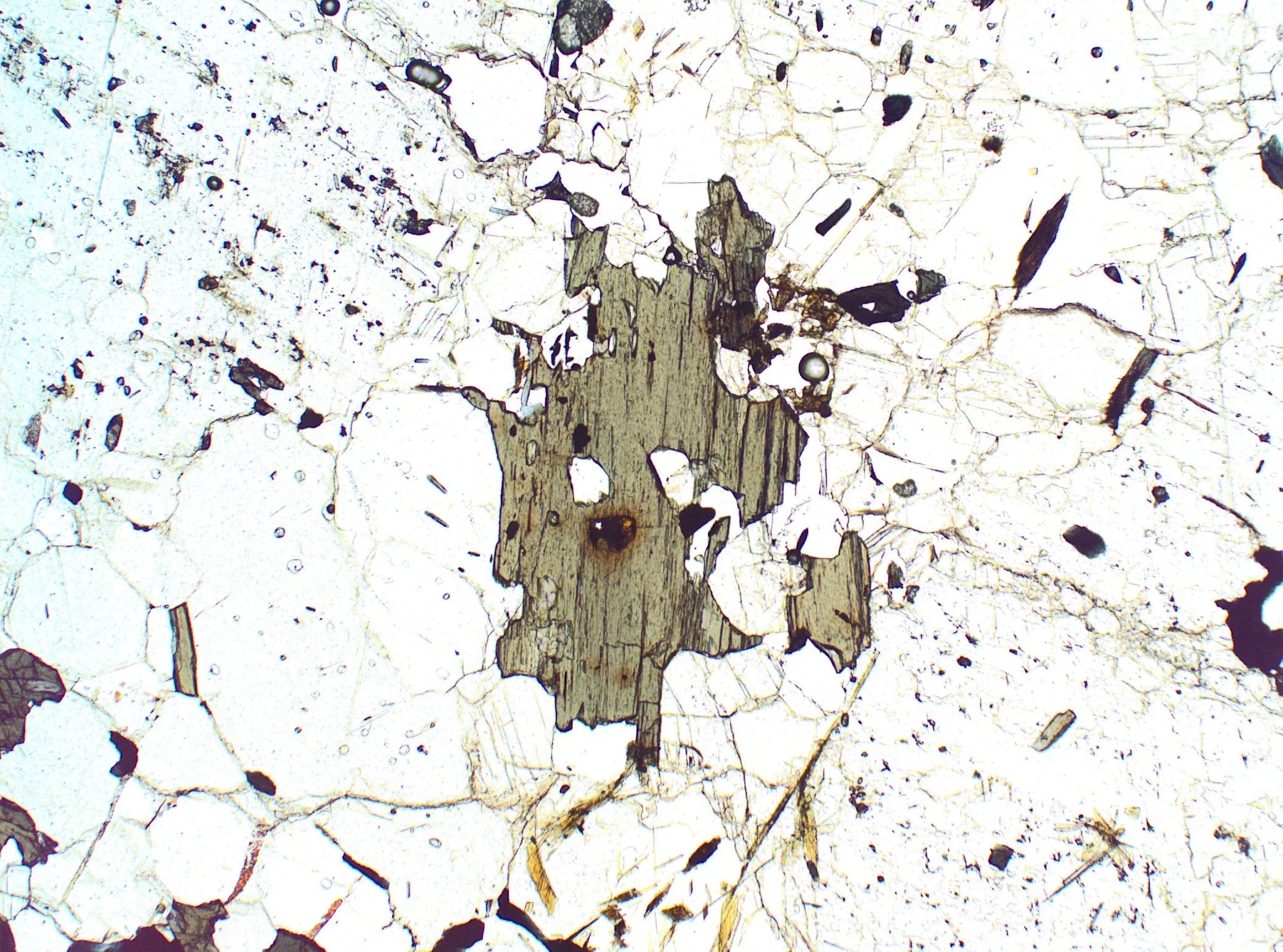
Petrographic thin-section in plane-polarized light (TS_WT5-6); altered basalt fabric

Near-surface Alteration & Geochemistry Group

Fluid–rock reaction from Archean crust to modern seafloor

Geochemistry linking the hydrosphere and lithosphere at Western Michigan University.

About

Geochemistry at WMU

Fluid–rock reaction linking the hydrosphere and lithosphere — from Archean crust to modern seafloor.

The age of Earth and prevalence of water implies that every rock ever exposed to the surface was modified due to the reaction with fluids, thus linking the geochemical evolution of the hydrosphere and lithosphere. Our research is at forefront of using geochemistry to address the origin of fluids in the crust, seawater-basalt reactions, ancient hydrological cycle, hydrothermal systems, chemical evolution of seawater and diagenesis.

Laboratory established ca. January 2023 by David Zakharov (PI)

What do geochemists do?

We collect chemical information about Earth using rock samples that span in age from Archean to Holocene. We interpret our geochemical data based on petrographic observations, mineralogical characterization, field relationships as well as modeling approaches, leaving no stone unturned. Collecting a sample in the field and getting quantitative data in the lab is one of the most effective ways to connect with nature.
Team

People

Principal investigator

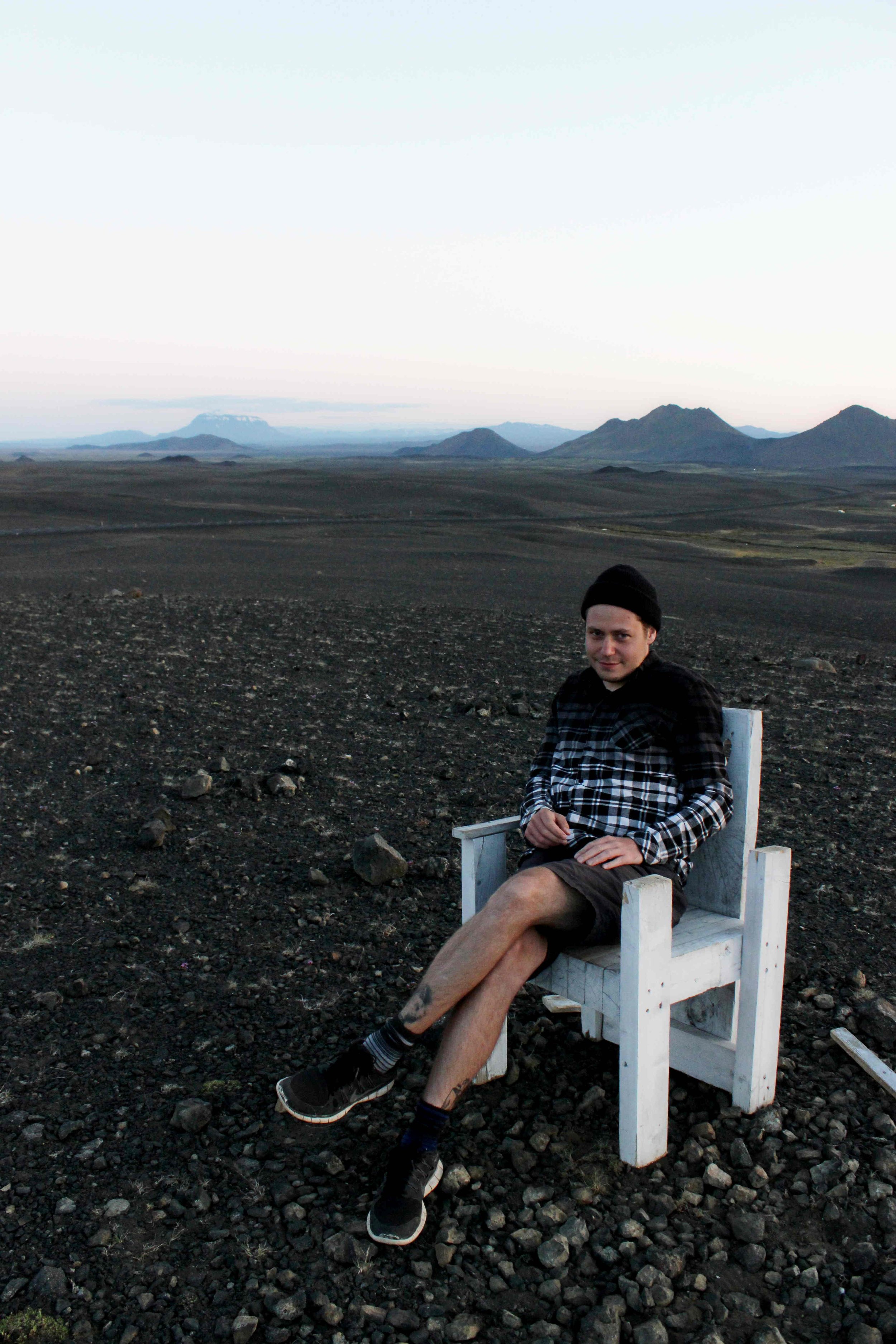
David Zakharov, Principal Investigator

David Zakharov

Principal Investigator

Department of Geological and Environmental Sciences, Western Michigan University, 1903 W Michigan Ave, Kalamazoo MI 49008-5241

  • Assistant Professor (2023–present)
  • Postdoc (2020–2022): Université de Lausanne, Switzerland (SwissSIMS; in Johanna Marin-Carbonne’s group)
  • PhD (2014–2019): University of Oregon, Eugene OR (in Ilya Bindeman’s group)
  • B.S./Diploma (2008–2013): Russian State Geological Prospecting University (МГРИ-РГГРУ)

Current members

Afrid Abdaly Sheik, PhD student since Fall 2023

Afrid Abdaly Sheik

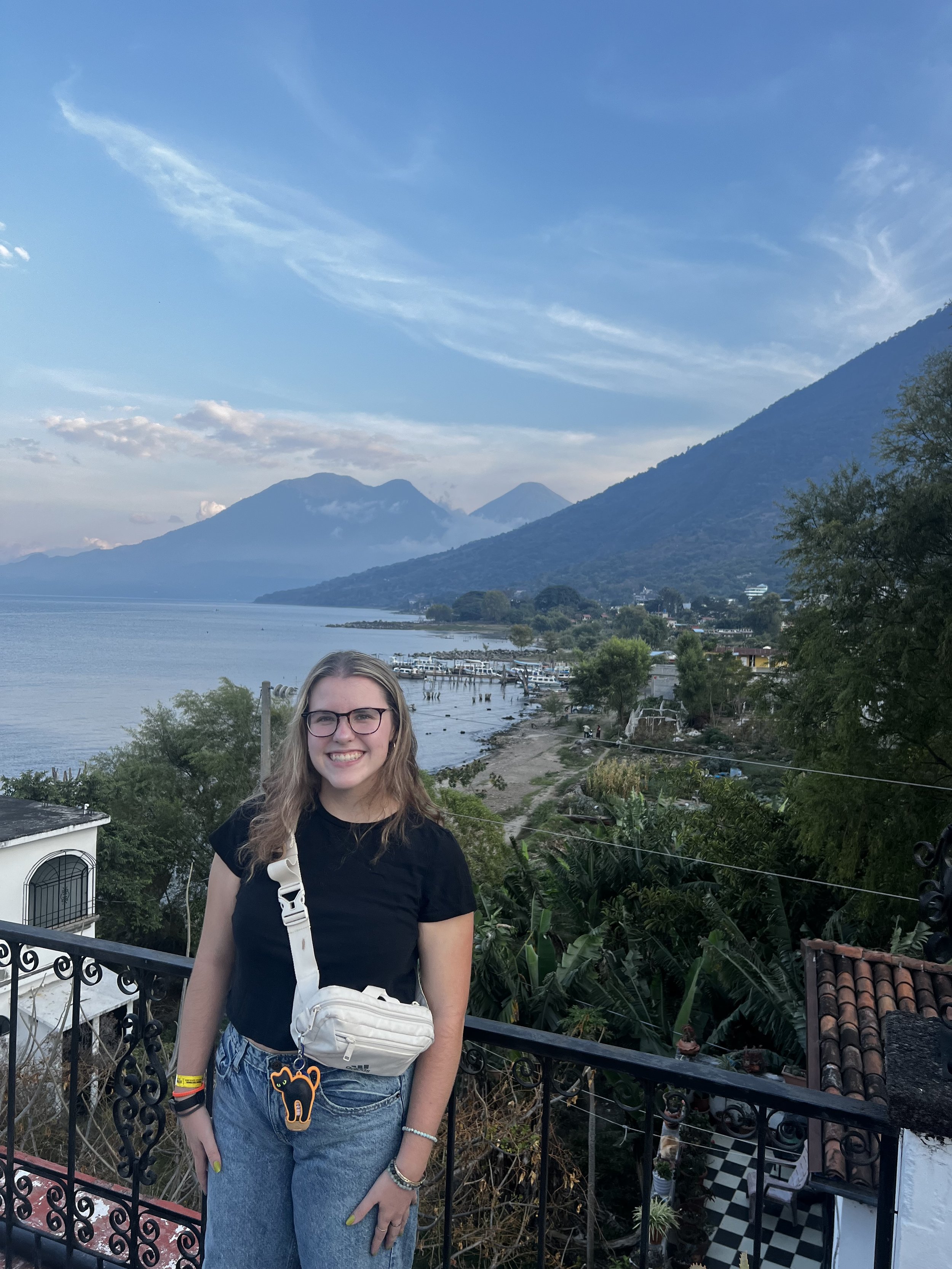
PhD student since Fall 2023

Research: Hydrothermal alteration of basalts as viewed by triple O-isotopes

  • BS + MS: Jadavpur University, India
Isabelle Boyer, MS student Fall 2025

Isabelle Boyer

MS student Fall 2025

Research: Serpentinites

  • BS: University of Pittsburgh at Johnstown
Tom Howe, Senior Specialist and Co-director of the Hydrogeology Field Course

Tom Howe

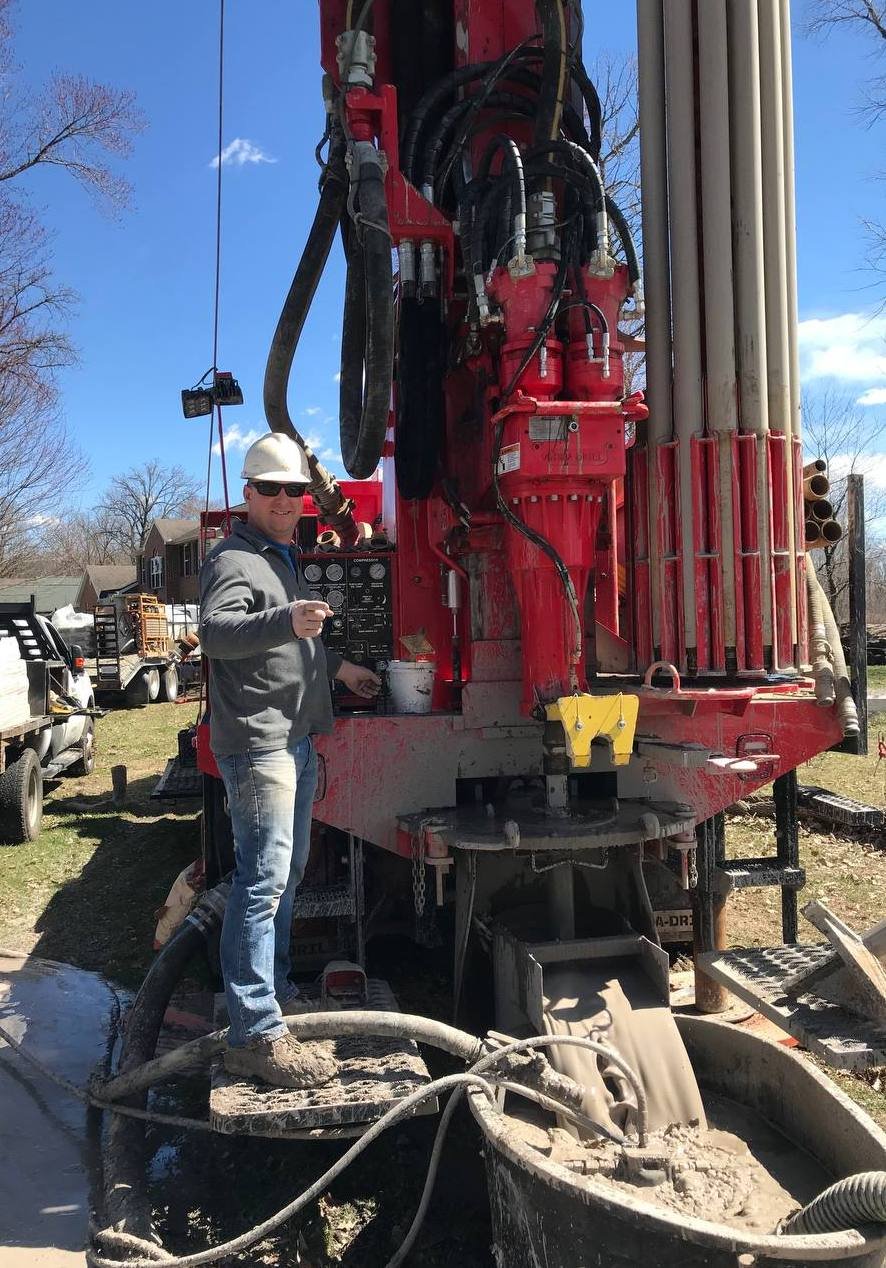
Senior Specialist and Co-director of the Hydrogeology Field Course

Guru of technical support

Alumni

Zack Stevens, MS alumnus

Zack Stevens

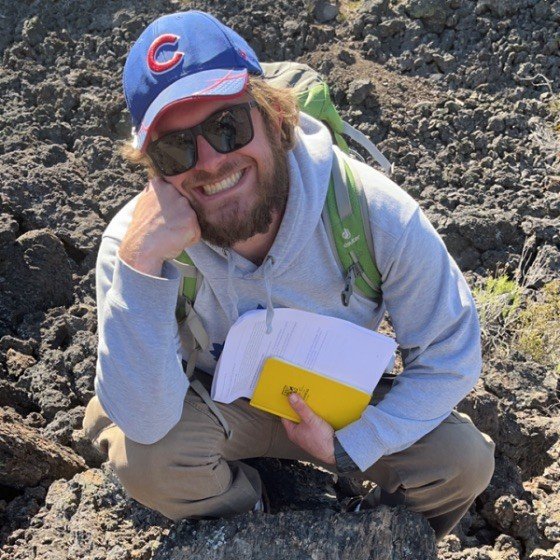
MS alumnus

MS thesis: “Understanding the fluid source during alteration of former oceanic lithosphere in the polygenetic Ingalls Ophiolite Complex, Washington, USA”

Rhys Campbell, Undergraduate researcher (2024–2025)

Rhys Campbell

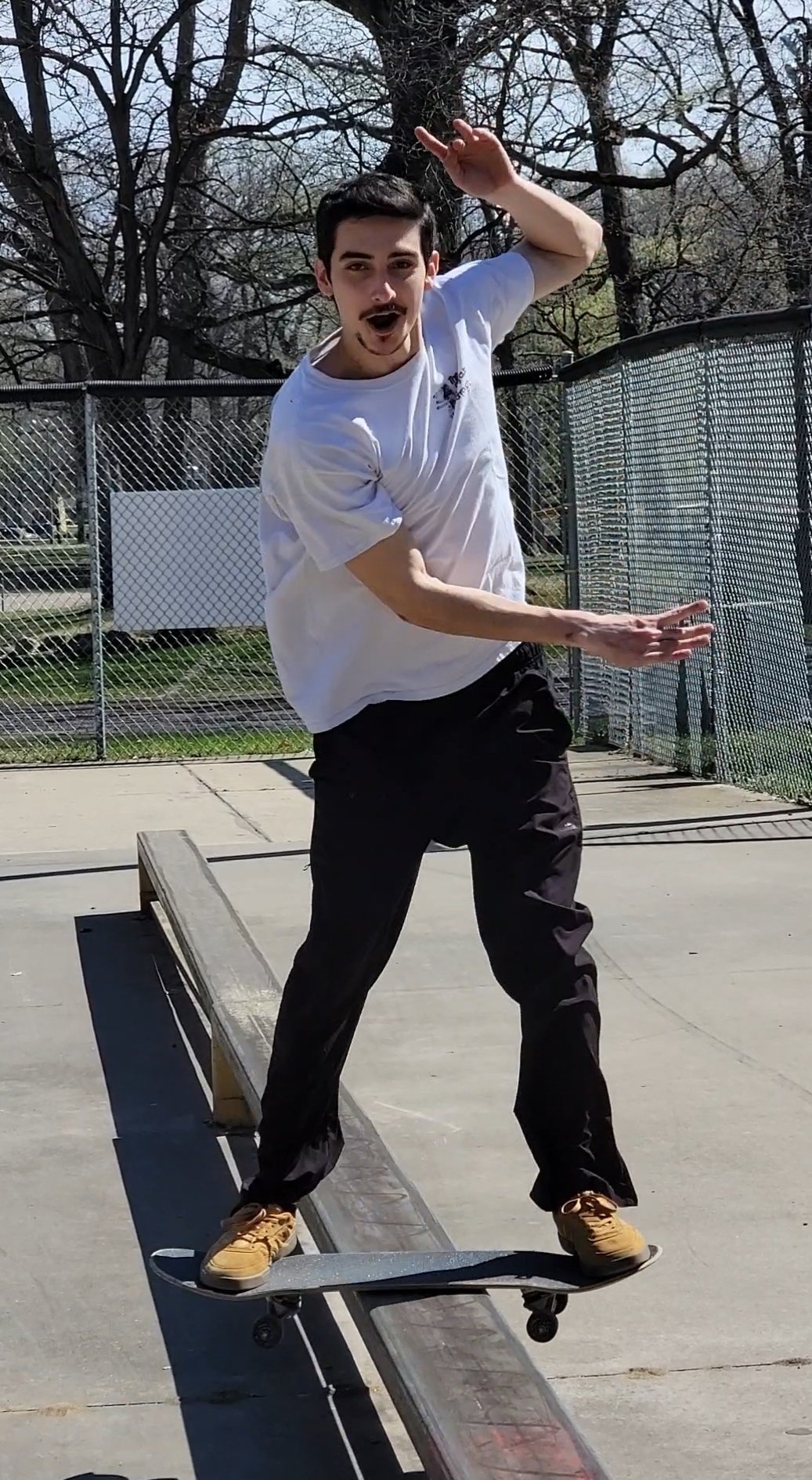
Undergraduate researcher (2024–2025)

Evan Angeski, Undergraduate researcher (summer 2023)

Evan Angeski

Undergraduate researcher (summer 2023)

Lab

Instruments and facilities

Stable isotope mass spectrometry and Raman microscopy in Haenicke Hall.

Stable Isotope Lab

Stable Isotope Lab

The lab space includes two rooms in Haenicke Hall, a mass spectrometer (Delta V Plus). The mass spec is equipped with several peripherals:

Continuous flow peripherals (linked via Conflo IV)

  • Isolink-OH elemental analyzer (EA) used for δD and δ¹⁸O measurements in hydrous silicates via combustion at 1450°C and reduction of water to H₂ and CO, respectively. Integration of the area under m/z 2 and 3 allows to estimate H₂O wt. % of the analyte. Standardization is done using USGS57 and USGS58 biotites relative to VSMOW values.
  • Costech 4010 EA is typically used for CNS measurements. Currently in dormant state.

Dual inlet measurements

  • Laser-assisted fluorination of silicates to produce high-precision δ¹⁷O–δ¹⁸O measurements. The Fusion Teledyne 55W CO₂ laser warms up a mineral grain up to the point of melting in presence of a fluorinating agent BrF₅. The reaction of a silicate with BrF₅ produces O₂ gas and condensable byproducts (e.g., SiF₄). The reaction proceeds under vacuum (~1E-03 mbar) in a stainless-steel vacuum line. A series of cryogenic traps are used to purify the resultant O₂ gas along with passage through several molecular sieve traps.
Lab overview photo (Jan 2024)

Raman Microscope

Raman Microscope

The laboratory hosts a Renishaw InVia Raman microscope with a 532 nm 50 mW laser. The microscope is equipped with a motorized XY stage, 1800 l/mm grating and software for mineral identification and mapping. The microscope is primarily used for mineral characterization in thin sections. The acquisition of the Raman instrument was made available by the STEM Workforce Collaboratory. It is available for the wider campus community via research experience projects and course-based research experiences (CUREs). Please contact me to learn more about the instrument.

Renishaw InVia Raman microscope (532 nm)

Service

Service work

Collaborative measurements with clear rates and deliverables.

For collaborative work, rates and availability contact david.zakharov@wmich.edu.

Stable isotopes

MeasurementRateDeliverable
O-isotope measurements by laser fluorination$50/sampleSpreadsheet with sample#, δ¹⁷O, δ¹⁸O and uncertainties
H-isotope measurements and H₂O wt.% determination by thermal conversion elemental analysis EA Isolink-OH$20/sampleSpreadsheet with sample#, water content (wt.%), δD, δ¹⁷O, δ¹⁸O and their uncertainties

Raman

MeasurementRateDeliverable
Identification of minerals — preferably in thin sections, powders or small separated grains$30/hrPowerPoint document with identified minerals, their spectra collected in the lab, and optical microscope images with marked spots where spectra were collected
Microscopic mapping by Ramanincluded in hourly rate / by arrangementMapping available up to 100 by 100 micron areas

Publications

Selected publications

Lab members are underlined on the source site. Student authors marked with asterisks*.

2026

  1. Sheik A. A.*, Zakharov D., Reed M. H., and Bell E. A. (2026) Spatial Variations in Hydrothermal Minerals of the Miocene Geitafell Central Volcano, Iceland. Journal of Volcanology and Geothermal Research. 10.1016/j.jvolgeores.2026.108622
  2. Kitoga L.S., Guitreau M., Moyen J.F., Marin-Carbonne J., Boyet M., Bouvier A.S., Zakharov D. and Stevens G. (2026) Silicified seafloor contribution to TTG formation: insights from zircon O and Si isotopes. Geochemical Perspectives Letters, 39, pp.22-27. 10.7185/geochemlet.2608

2025

  1. Zakharov D., Paul A.N., Colòn D.P., Ovtcharova M., Putlitz B., Bouvier A.-S., Sheik A. A.*, Zozulya D., Robyr M. (2025) Low-δ¹⁸O (−8 ‰, VSMOW) Paleoproterozoic and discordant zircon: Lessons learned from using a combination of traditional bulk and in situ approaches. Chemical Geology, 122972. 10.1016/j.chemgeo.2025.122972
  2. Zakharov D., Baumgartner L.P., Vennemann T., Bomou B., Di Rocco T., Pack A. (2025) Reaction-controlled triple O-isotope exchange trajectories during experimental alteration of olivine. Chemical Geology, 122504. 10.1016/j.chemgeo.2024.122504

2024

  1. Kitoga L.S., Zakharov D., Marin-Carbonne J., Boyet M., Moyen J.F., Di Rocco T., Pack A., Olivier N. and Stevens G. (2024) Oxygen and silicon isotopic compositions of Archean silicified lava and cherts of the Onverwacht Group: Implication for seafloor hydrothermalism and the nature of recycled components in the source of granitoids. Chemical Geology, 122407. 10.1016/j.chemgeo.2024.122407
  2. Zhang L., Basak S., Zakharov D. and Szilas, K. (2024). Selective metasomatism of ultramafic cumulates within Archean supracrustal sequences. Geoscience Frontiers, 101851. 10.1016/j.gsf.2024.101851

2023

  1. Zakharov D.O., Marin-Carbonne J., Pack A., Di Rocco T., Robyr M. and Vennemann T. (2023) In-situ and Triple Oxygen Isotope Characterization of Seafloor Drilled Cherts: Marine Diagenesis and Its Bearing on Seawater Reconstructions. Geochemistry, Geophysics, Geosystems. 10.1029/2022GC010741
  2. Zakharov D.O., Zozulya D.R. and Colòn D.P. (2023) Quantitative Record of the Neoarchean Water Cycle in a 2.67 Ga Magmatic-Hydrothermal System from the Fennoscandian Shield. Geology. 10.1130/G50702.1

2022

  1. Zakharov D.O., Zozulya D.R. and Rubatto, D. (2022) Low δ¹⁸O Neoarchean precipitation recorded in a 2.67 Ga magmatic-hydrothermal system of the Keivy granitic complex, Russia. Earth and Planetary Science Letters 578, 117322. 10.1016/j.epsl.2021.117322

2021

  1. Zakharov DO, Tanaka R, Butterfield DA and Nakamura E (2021) A New Insight into Seawater-Basalt Exchange Reactions Based on Combined δ¹⁸O—Δ′¹⁷O—⁸⁷Sr/⁸⁶Sr Values of Hydrothermal Fluids From the Axial Seamount Volcano, Pacific Ocean. Frontiers in Earth Sciences 9, 691699. 10.3389/feart.2021.691699
  2. Zakharov D.O., Lundstrom C.C., Laurent O., Reed M.H., and Bindeman I.N. (2021) Influence of high marine Ca/SO₄ ratio on alteration of submarine basalts at 2.41 Ga documented by triple O and Sr isotopes of epidote. Precambrian Research, 358, 106164. 10.1016/j.precamres.2021.106164
  3. Zakharov D.O., Marin-Carbonne J., Alleon J. and Bindeman I.N. (2021) Temporal triple oxygen isotope trend recorded by Precambrian cherts: A perspective from combined bulk and in situ secondary ion probe measurements. Reviews in Mineralogy & Geochemistry, vol. 86, 323-365. 10.2138/rmg.2021.86.10

2020

  1. Waterton P., Hyde W.R., Tusch J., Hollis J.A., Kirkland C.L., Kinney C., Yakymchuk C., Gardiner N.J., Zakharov D., Olierook H.K.H., Münker C., Lightfoot P.C. and Szilas K. Geodynamic implications of synchronous norite and TTG formation in the 3 Ga Maniitsoq Norite Belt, West Greenland. Frontiers in Earth Sciences 8, 562062. 10.3389/feart.2020.562062

2019

  1. Zakharov D.O., Bindeman I.N., Tanaka R., Fridleifsson G.O., Reed M.H. and Hampton R.L. (2019) Triple oxygen isotope systematics as a tracer of fluids in the crust: A study from modern geothermal systems of Iceland. Chemical Geology 530, 119312. 10.1016/j.chemgeo.2019.119312
  2. Zakharov D.O., Bindeman I.N., Serebryakov N.S., Prave A.R., Azimov P.Ya. and Babarina I.I. (2019) Low δ¹⁸O rocks in the Belomorian belt, NW Russia and Scourie dikes, NW Scotland: A record of ancient meteoric water captured by the early Paleoproterozoic global magmatic event. Precambrian Research 333, 105431. 10.1016/j.precamres.2019.105431
  3. Zakharov D.O. and Bindeman I.N. (2019) Triple oxygen and hydrogen isotopic study of hydrothermally altered rocks from the 2.43–2.41 Ga Vetreny belt, Russia: An insight into the early Paleoproterozoic seawater. Geochimica Cosmochimica Acta 248, 185-209. 10.1016/j.gca.2019.01.014

2018

  1. Bindeman I.N., Zakharov D.O., Palandri J., Greber N.D., Retallack G.J., Hofmann A., Dauphas N., Lackey J.S. and Bekker, A. (2018) Rapid growth of subaerial crust and the onset of a modern hydrologic cycle at the Archean-Proterozoic transition. Nature 557, 545-548. 10.1038/s41586-018-0131-1
  2. Avice, G., Marty, B., Burgess, R., Hofmann, A., Philippot, P., Zahnle, K., and Zakharov, D. (2018) Evolution of atmospheric xenon and other noble gases inferred from Archean to Paleoproterozoic rocks. Geochimica Cosmochimica Acta 232, 82-100. 10.1016/j.gca.2018.04.018

2017

  1. Zakharov D.O., Bindeman I.N., Slabunov A.I., Ovtcharova M., Coble M.A., Serebryakov N. S. and Schaltegger U. (2017) Dating the Paleoproterozoic snowball Earth glaciations using contemporaneous subglacial hydrothermal systems. Geology 45, 5–8. 10.1130/G38759.1

2016

  1. Bindeman I.N., Bekker, A. and Zakharov D.O. (2016) Oxygen isotope perspective on crustal evolution on early Earth: A record of Precambrian shales with emphasis on Paleoproterozoic glaciations and Great Oxygenation Event. Earth Planet. Sci. Lett. 437, 101-113. 10.1016/j.epsl.2015.12.029

2015

  1. Khisamutdinova A.I., Zakharov D.O. and Soloviev A.V. (2015) The Western Kamchatka sedimentary basins: origin, age and composition of basal conglomerates. Russian Journal of Pacific Geology, 34, 78-92 / Источники сноса для базальных конгломератов Западно-Камчатского осадочного бассейна: возраст и вещественный состав галек. Тихоокеанская Геология, т. 34 № 3, с. 78-92. Link

2012

  1. Onikienko L.D., Uganov, S.S., Zakharov D.O. and Ivanov, M.A. (2012) Geology, mineralogy and formation conditions “Oskolskiy” gold-bearing conglomerates from Kursk Magnetic Anomaly. Razvedka i Ohrana Nedr (Prospect and Protection of Mineral Resources; in Russian) / Геология, минералогия и условия образования «оскольских» золотоносных конгломератов КМА, Разведка и Охрана Недр 12, 3-7. Link

Join

Join us

Undergraduate and graduate openings — email David, explore project seeds, and life in Kalamazoo.

We are always on a lookout for motivated undergraduate and graduate students. Please, contact David (david.zakharov@wmich.edu) via email to get in touch.

Potential projects can include:

  • Investigation of isotope effects during hydrothermal alteration, diagenesis and silicification
  • Paleoclimate signals in the Archean
  • Recycling of surface materials during magma generation
  • Geology of Michigan basin and the Upper Peninsula

Email David

Living and working in Kalamazoo

Kalamazoo is home to roughly 75’000 residents. Over 300’000 people live in Kalamazoo/Portage and the metropolitan urban area. Kalamazoo is also home to Western Michigan University, Kalamazoo College and Kalamazoo Valley Community College (KVCC). The town is 2.5 hour driving distance from Chicago and Detroit. Conveniently, Kalamazoo is connected to the Wolverine Amtrak train that goes from Chicago to Detroit. Kalamazoo is amongst one of the coolest and most affordable places to live in Michigan with cost of living (rent included) under $1’500 according to livingcost.org (01/03/2023). Kalamazoo gives access to outdoorsy activities of the Southwest Michigan. Lake Michigan shore at South Haven is about 55 minutes away.